How to Find an Honest Mechanic — And the Signs That Tell You One Isn't

A few years ago, a friend of mine dropped her car off at a shop near her apartment for an oil change. It came back with a $900 bill. She'd authorized a fuel system cleaning she didn't remember agreeing to, new air filters she didn't need, and a courtesy brake inspection that somehow resulted in two new rear rotors. The original oil change was $49.
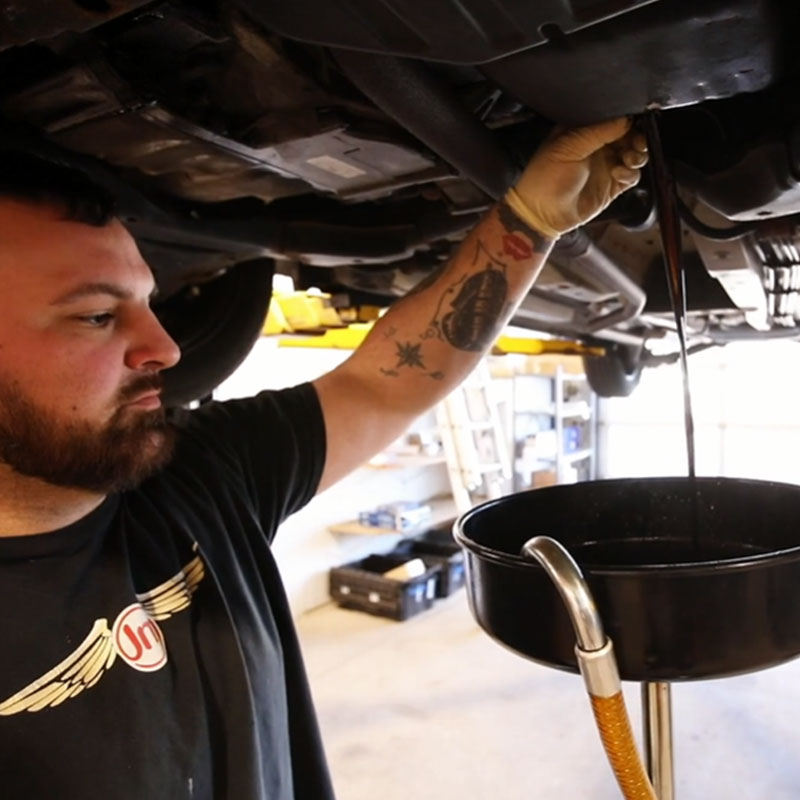
She's not unusual. Almost everyone has a version of this story.
The car repair industry has a genuine trust problem not because mechanics are uniquely dishonest, but because the business model at a lot of shops is structured in a way that makes overselling easy and going unnoticed easier still. Most people don't know what their car needs. They're anxious, in a hurry, and they're talking to someone who sounds authoritative. That combination gets exploited more often than it should.
There's a better way to approach this. Not foolproof, nothing is, but enough to protect yourself most of the time if you know what you're looking for.
The Person at the Desk Is Probably Not a Mechanic
At most dealerships and chain shops, the person who takes your keys, explains what's wrong, and hands you the bill is a service writer or service advisor. Not a technician. They're the salesperson for the service department, and at plenty of shops, they're paid on commission meaning a percentage of what they sell you ends up in their paycheck.
I'm not saying every service writer is dishonest. A lot of them are trying to do right by customers while working inside a system that rewards them for doing the opposite. But it's worth understanding that when a service advisor tells you the transmission fluid "really should be flushed" while you're there for a tire rotation, their financial interest and your financial interest are not the same thing.
Independent shops tend to work differently.
At a family-owned shop where the owner is often also a technician, there's no separate commission layer. No regional manager watching average repair order values. No monthly quota. The recommendation you get from someone who built that business themselves, in a community where their reputation is the only marketing they have, comes from a different place. That structural difference matters more than almost any certification or credential.
The Credential That Actually Means Something
ASE the National Institute for Automotive Service Excellence has been testing and certifying automotive technicians since 1972. It's independent, not affiliated with any manufacturer or chain, and it requires actual written exams in specific systems: brakes, engine, electrical, transmission, suspension, heating and cooling, and several others. An ASE Master Technician has passed all eight major tests and has at least two years of hands-on documented experience. Certifications expire and require renewal every five years, so a current credential means someone has kept up as cars have changed.
It's the closest thing the trade has to a real professional credential, given that auto mechanics in most states aren't required to be licensed at all. That's an underappreciated fact anyone can open a repair shop. The certification is voluntary, and a meaningful number of shops operating right now have no certified technicians on staff.
That said, ASE certification tells you about competence, not character. A highly certified technician can still work at a shop that oversells. What you're looking for is both the technical ability to diagnose your car correctly and the disposition to tell you the truth about what it needs.
Worth asking directly: Not just 'do you have ASE-certified staff' but 'is the technician who will work on my car specifically ASE-certified, and in what systems?' A confident shop answers that straight.
What Honest Shops Do Differently And What Dishonest Ones Do Instead
The differences tend to be consistent enough that you can usually read a shop in the first interaction.
A shop that operates honestly gives you a written estimate before touching anything. Not a verbal ballpark. A written number with parts and labor broken out. This protects you and it commits them. Shops that resist putting estimates in writing have a reason for that, and it's not in your favor.
When they find something you didn't bring the car in for, they call you before fixing it. They explain what they found, why it matters, and whether it's urgent or something that can wait. Then they offer to show you the actual worn part, the measurement that's out of spec, the photo from under the car. A shop that replaces something without showing you the evidence didn't necessarily do anything wrong. But a shop that replaces something and can't show you the evidence when you ask almost certainly did.
Good shops also tell you what can wait. That's the one that surprises people most. If three things are off on your car and only one genuinely needs attention now, an honest shop tells you that even though the other two are billable work sitting right there. Shops that insist everything needs immediate attention, on every visit, regardless of the car's condition, are not prioritizing your car. They're prioritizing the bill.
Reviews are useful, but read them carefully.
Generic five-star reviews — "great service, fast and friendly" can come from anywhere. What you're actually looking for are reviews that describe specific interactions. Things like "they told me the repair I thought I needed wasn't necessary" or "they showed me the old part and explained why it failed." Those are harder to fake and they tell you something real about how the shop operates when nobody's being watched.
A Few Questions That Do a Lot of the Work
You don't need to grill anyone. A small number of direct questions separates shops that will deal straight with you from the ones that won't.
"Will you put the estimate in writing before you start?" Yes or no. There's no acceptable qualified answer.
"If you find something I didn't ask about, will you call me before you fix it?" Again, this should be automatic. Asking it puts them on notice that you expect it.
"Can I see the old part after you replace it?" A shop doing the work they're billing you for has no reason to say no.
"Do you charge for diagnostics, and does that apply toward the repair if I move forward?" Both answers are fine as long as they're clear upfront. Shops that add diagnostic fees at pickup without mentioning them when you dropped the car off are not being straight with you.
You can ask all four of those questions in under two minutes. A shop that gets uncomfortable with any of them is a shop you should probably leave.
What You Actually Get When You Find the Right Shop
There's a practical economic argument here that doesn't get made enough. Drivers who have a trusted shop — one they've been going to for years — consistently spend less on car repairs over time than drivers who shop around based on price or convenience. Not because the loyal shop charges less per job, but because they know the car's history, catch things earlier, and don't manufacture work.
A mechanic who's worked on your car for five years knows which quirk is fine to watch and which one is about to become expensive. They know what was replaced and when. They know that the noise you're describing happened once before and went away when the weather changed. That contextual knowledge is worth real money, and you don't get it from a shop you've never been to before.
The other thing you get, which is harder to quantify, is that you stop dreading the call from the shop. Once you trust the person on the other end of the line, "we found something" is information, not an ambush.
Shops like Jon Miller Car Care Center in Tuckerton, NJ family-owned, ASE Master Technician certified, operating in the same community since 2012 — are examples of what this actually looks like in practice. Their reviews don't just say the car was fixed. They say the shop told them what they didn't need. That's the version worth finding.
It takes some effort to find that shop. Once you have it, protect the relationship.
The car will need work again. The question is who you want making the call about what that means.
What's Your Reaction?