What Is Testosterone Replacement Therapy and Who Can Benefit From It?
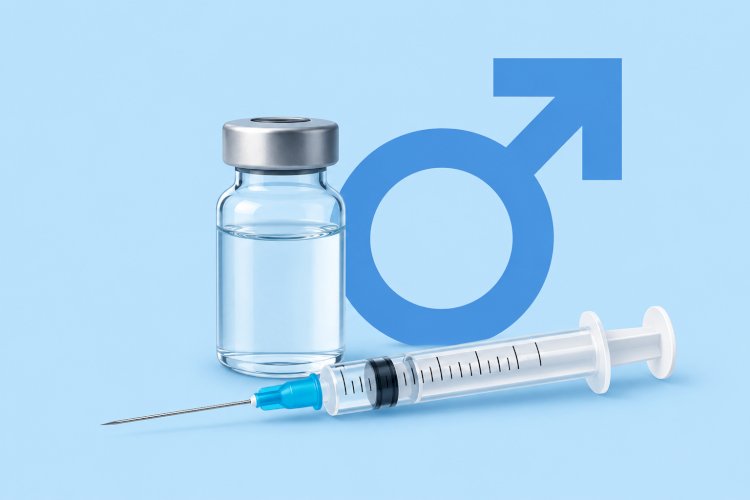
Testosterone Replacement Therapy (TRT) is a medical treatment used for men who have symptoms of testosterone deficiency and consistently low testosterone levels. It can help restore testosterone to an appropriate range and may improve symptoms such as low libido, reduced energy, and loss of muscle mass. TRT should only be considered after proper medical evaluation and testing.
What Is Testosterone Replacement Therapy?
Testosterone Replacement Therapy is a treatment designed to replace testosterone when the body is not producing enough of the hormone.
Testosterone plays an important role in several functions, including:
- Sex drive and sexual function
- Muscle mass and strength
- Bone health
- Red blood cell production
- Energy and overall well-being
- Development and maintenance of male characteristics
Testosterone naturally varies throughout the day and can also be affected by illness, medications, sleep, nutrition, and other health conditions. Therefore, having one low test result does not necessarily mean a person needs TRT.
According to the Endocrine Society, testosterone deficiency should be diagnosed when a man has compatible symptoms along with consistently low testosterone levels, with repeat morning testing used to confirm the result.
Who May Benefit From TRT?
TRT may be appropriate for adult men who have both symptoms of testosterone deficiency and confirmed low testosterone levels.
Common symptoms can include:
- Reduced sex drive
- Persistent fatigue or low energy
- Reduced muscle mass
- Difficulty maintaining muscle strength
- Changes in mood or motivation
- Reduced body hair
- Infertility in some cases
- Changes in sexual function
However, these symptoms can have many possible causes. Poor sleep, obesity, stress, certain medications, depression, chronic illness, and other hormonal problems can produce similar symptoms.
That is why symptoms alone should not be used to decide whether someone needs testosterone treatment.
How Is Low Testosterone Diagnosed?
Proper testing is one of the most important parts of the TRT process.
The American Urological Association recommends using a total testosterone level below 300 ng/dL as a reasonable cut-off that supports a diagnosis, but the diagnosis should also include symptoms or signs of testosterone deficiency. It recommends obtaining two separate early-morning testosterone measurements.
A typical evaluation may involve:
- Reviewing symptoms and medical history
- Performing a physical examination
- Checking testosterone levels
- Repeating testing when necessary
- Investigating the possible cause of low testosterone
- Discussing treatment options and potential risks
Additional testing may be appropriate depending on the individual. For example, doctors may investigate whether low testosterone is related to the testicles, pituitary gland, medications, or another medical condition.
What Are the Potential Benefits of TRT?
When testosterone deficiency has been properly diagnosed, TRT may help improve certain symptoms.
Potential benefits can include:
Improved Sexual Health
Men with testosterone deficiency may experience reduced libido. Restoring testosterone to an appropriate level may improve sexual interest in some patients.
Better Energy and Well-Being
Some men with confirmed testosterone deficiency report improvements in energy, motivation, or general well-being after treatment. Results vary from person to person.
Support for Muscle and Bone Health
Testosterone contributes to maintaining muscle mass and bone strength. Appropriate treatment may help address some effects associated with testosterone deficiency.
Improved Symptoms of Testosterone Deficiency
The purpose of TRT is not simply to produce a higher testosterone number. The goal is to treat clinically significant testosterone deficiency and monitor whether symptoms and laboratory results improve.
The Endocrine Society recommends evaluating patients after treatment begins to determine whether they are responding and whether they are experiencing adverse effects.
What Types of TRT Are Available?
Testosterone replacement can be administered in different ways. Depending on the patient's circumstances, a healthcare professional may discuss options such as:
- Testosterone injections
- Topical testosterone gels
- Transdermal patches
- Certain oral or buccal formulations
- Other prescription formulations
The appropriate option depends on factors such as medical history, lifestyle, preference, treatment goals, and how the individual responds to therapy.
FDA-approved testosterone products are prescription medications intended for men with low testosterone associated with an underlying medical condition.
Is TRT Safe?
TRT can be appropriate for properly diagnosed testosterone deficiency, but it is not risk-free.
Possible concerns include increased red blood cell counts, acne or oily skin, changes in fertility, worsening of certain prostate-related symptoms, and increases in blood pressure. FDA labeling also includes warnings related to blood pressure, and monitoring is important during treatment.
TRT can also reduce sperm production. Therefore, men who are planning to have children should discuss fertility before beginning treatment. The Endocrine Society recommends against starting testosterone therapy in men planning fertility in the near term.
Safety also depends on the patient's health and the way treatment is prescribed and monitored.
What Monitoring Is Needed During TRT?
TRT is not generally a treatment where someone starts medication and never checks their health again.
Follow-up may include monitoring:
- Testosterone levels
- Blood pressure
- Hematocrit or red blood cell levels
- Symptoms and treatment response
- Prostate-related health when appropriate
- Other laboratory markers based on individual circumstances
The exact monitoring schedule varies according to the patient, treatment formulation, age, medical history, and clinician's recommendations.
The Endocrine Society specifically recommends evaluating treatment response, adverse effects, and adherence after therapy begins.
Is TRT the Same as Taking Testosterone Boosters?
No. Prescription TRT and over-the-counter testosterone boosters are not the same thing.
TRT provides actual testosterone under medical supervision. "Testosterone boosters" are generally supplements marketed with claims about supporting natural testosterone production. Their ingredients and evidence can vary considerably.
People should also be cautious about products sold online that contain undisclosed hormones or other drugs. The FDA has warned about products marketed for sexual enhancement that contained undeclared testosterone and other prescription ingredients.
If testosterone deficiency is suspected, proper testing and medical evaluation are a better starting point than relying on unverified supplements.
Can Men in New York Get Evaluated for TRT?
Men in New York who have symptoms that could be related to low testosterone can discuss their concerns with a qualified healthcare professional.
A search for Testosterone Replacement Therapy NYC may bring up clinics and providers offering testosterone evaluations and treatment. However, the most important consideration should be whether the provider follows appropriate diagnostic and monitoring practices rather than simply whether they offer TRT.
A responsible evaluation should focus on the patient's symptoms, laboratory results, medical history, potential causes of low testosterone, treatment options, and possible risks.
What Should You Consider Before Starting TRT?
Before starting treatment, consider asking your healthcare provider:
- Do my symptoms suggest testosterone deficiency?
- Have my testosterone levels been confirmed with appropriate testing?
- What could be causing my low testosterone?
- Are there lifestyle or medical factors that should be addressed first?
- Which TRT formulation is appropriate for me?
- Could treatment affect my fertility?
- What side effects should I watch for?
- What tests will be used to monitor my treatment?
These questions can help you make a more informed decision instead of choosing treatment based only on a testosterone number.
TRT Therapy vs. Lifestyle Changes
TRT Therapy and lifestyle changes serve different purposes.
If testosterone is low because of an underlying medical condition affecting testosterone production, medical treatment may be appropriate. In other situations, factors such as excess body weight, inadequate sleep, poor nutrition, or certain medications may contribute to low testosterone and should be addressed.
Healthy habits remain important whether or not someone receives TRT.
Regular physical activity, adequate sleep, a nutritious diet, maintaining a healthy weight, and avoiding excessive alcohol can support overall health. They should not, however, be presented as guaranteed ways to correct medically diagnosed testosterone deficiency.
Key Takeaways
- Testosterone Replacement Therapy is used to treat appropriately diagnosed testosterone deficiency.
- Symptoms alone are not enough to diagnose low testosterone.
- Diagnosis generally requires symptoms plus consistently low testosterone levels confirmed through appropriate testing.
- TRT may improve certain symptoms in men with genuine testosterone deficiency.
- Treatment can have risks and may affect fertility.
- Regular medical monitoring is an important part of TRT.
- Anyone considering treatment should discuss the potential benefits, risks, and alternatives with a qualified healthcare professional.
Frequently Asked Questions
1. What is Testosterone Replacement Therapy used for?
Testosterone Replacement Therapy is used to treat men who have symptoms of testosterone deficiency along with consistently low testosterone levels. The purpose is to restore testosterone to an appropriate level and address symptoms associated with deficiency. It should be prescribed after appropriate evaluation rather than being used simply to increase testosterone above a normal range.
2. How do you know if you have low testosterone?
Low testosterone should be evaluated using both symptoms and blood testing. Testosterone levels are typically checked in the morning because levels change during the day. If the initial result is low, testing is generally repeated to confirm the finding before making a diagnosis.
3. What are common symptoms of low testosterone?
Common symptoms may include low sex drive, reduced energy, decreased muscle mass, changes in mood, reduced motivation, and changes in sexual function. However, these symptoms can have many causes, so they should not automatically be attributed to testosterone deficiency without appropriate medical evaluation.
4. Does TRT improve energy?
TRT may improve energy or general well-being in some men who have confirmed testosterone deficiency, but results vary. Fatigue can also be caused by sleep problems, stress, medications, anemia, thyroid disorders, and other health conditions. Identifying the underlying cause is therefore important before starting testosterone treatment.
5. Can TRT affect fertility?
Yes. Testosterone therapy can suppress the body's natural testosterone production and reduce sperm production. Men who want to have children in the near future should discuss fertility with their healthcare provider before considering TRT. Alternative approaches may need to be considered depending on the underlying cause of low testosterone.
6. Is Testosterone Replacement Therapy safe for everyone?
No. TRT is not appropriate for everyone. Certain medical conditions and circumstances can make testosterone therapy unsuitable or require additional evaluation. Treatment should be individualized, and patients need appropriate follow-up to monitor testosterone levels, symptoms, blood pressure, blood counts, and other relevant health factors.
7. Does TRT require regular monitoring?
Yes. Monitoring is an important part of testosterone treatment. Healthcare professionals may monitor testosterone levels, symptoms, blood pressure, hematocrit, and prostate-related health when appropriate. The exact tests and schedule depend on the patient's age, health history, treatment type, and response to therapy.
Conclusion
Testosterone Replacement Therapy can be a useful medical treatment for men with properly diagnosed testosterone deficiency, but it is not a universal solution for tiredness, aging, or low motivation. The safest approach is to confirm low testosterone with appropriate testing, investigate the underlying cause, discuss treatment options with a qualified healthcare professional, and continue regular monitoring if therapy is started.
For men researching Testosterone Replacement Therapy NYC, the focus should be on receiving an evidence-based evaluation and individualized medical care rather than simply choosing a provider based on treatment availability.
What's Your Reaction?