What Will a Podiatrist Commonly Treat?
Most people don't think much about seeing a podiatrist until something's already bothering them for a few weeks. Maybe it's a heel that hurts every morning before it "warms up," or a toenail that keeps flaring up on the same corner no matter what you do to it at home. And there's often this assumption that podiatrists mainly deal with minor stuff, corns, the occasional callus, nothing much beyond that.
That's not really the full picture. Podiatrists see a surprisingly broad mix of foot, ankle and lower-limb problems, and a fair few of them are things people put up with for far longer than they need to. Here's a rundown of what actually comes through the door most often.
Heel pain, and yes, plantar fasciitis
Heel pain is probably the number one reason people finally book an appointment. Plantar fasciitis gets blamed for a lot of it, and often fairly, it's caused by irritation in the band of tissue running along the sole of the foot, and it has a pretty recognisable pattern. Sharp or aching first thing in the morning, a bit better once you've been up and moving for a while, then creeping back after a long day on your feet.
But heel pain isn't always plantar fasciitis. Sometimes it's footwear related, sometimes it's a change in activity, sometimes it's just how weight moves through the foot when you walk. Which is really the point of getting it looked at properly rather than assuming and treating the wrong thing for months.
Bunions and other toe changes
Bunions tend to sneak up on people. That bony bump at the base of the big toe usually develops slowly, over years, and by the time it's uncomfortable it's often already changed which shoes feel okay to wear. Hammer toes fall into a similar category, gradual, easy to ignore at first, harder to ignore once footwear starts becoming a problem.
Not every bunion needs treatment straight away, to be clear. Sometimes it's a matter of footwear advice and padding. Other times, if it's progressing or genuinely painful, there's more to talk through.
Ingrown toenails that just won't quit
These sound minor and honestly, sometimes they are. But an ingrown toenail that keeps coming back at the exact same spot, over and over, isn't really a minor annoyance anymore. It's uncomfortable, it can get infected if it's left, and there are procedures aimed at dealing with the actual cause instead of trimming around it every few months and hoping.
Corns, calluses, and the skin stuff nobody talks about
Corns and calluses build up wherever there's repeated pressure or rubbing, usually from footwear or from the way weight sits on the foot. Most of the time they're not serious. Still, if the same corn keeps showing up in the same place, it's worth having someone take a proper look rather than just filing it down at home, especially for anyone whose feet don't have full sensation.
Sports niggles and overuse injuries
Ankle sprains. That ache that shows up two weeks into a new training block and won't go away. Runners in particular tend to cycle through the same complaint every time they ramp up mileage, which usually isn't bad luck, it's something biomechanical worth checking rather than just pushing through.
A podiatrist can watch how your foot actually moves during activity and work out whether it's footwear, training load, technique or foot structure driving the problem.
Diabetes and why foot checks matter more than people realise
Diabetes can dull sensation and affect circulation in the feet, which sounds abstract until you realise what it actually means in practice: small cuts, blisters or pressure spots can go completely unnoticed until they're a bigger problem. This is why regular foot checks are usually part of diabetes management, and why podiatrists play a genuine role in catching early changes before they escalate.
Kids' feet, and the things parents notice but aren't sure about
Toe walking. In-toeing. A kid complaining about leg pain that seems to show up whenever they've had a growth spurt. Most of it sorts itself out as children grow, honestly, but some of it is worth a proper look, just to rule out anything that needs attention early rather than waiting to see. Children's podiatry covers this territory, gait, foot posture, growing pains that seem a bit off.
The mechanical stuff you can't always see
A lot of foot pain has nothing to do with an injury at all. It's just how someone's foot is built, or how it moves when they stand or walk, sometimes called a biomechanical issue, which is really just a slightly clinical way of saying the load isn't being distributed the way it ideally would be. Orthotics come up a lot in these conversations, though they're not the default answer for everyone. It genuinely depends on what the assessment turns up.
So when's it actually worth booking in?
Rough guide: if something's hung around for more than a couple of weeks, keeps coming back, is changing how you walk, or is starting to get in the way of exercise or daily life, it's worth getting checked. Same goes for anything unusual with a child's feet, or ongoing foot concerns if diabetes is part of the picture.
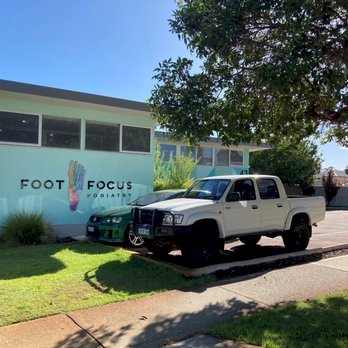
Foot Focus Podiatry, based in Wilson, has been treating feet in Perth since 2000. Its team, which includes a surgical podiatrist alongside general podiatrists, covers everything from general podiatry and children's podiatry through to diabetes-related foot care, orthotics, manual therapies and minor to surgical procedures. A first visit usually starts with a proper conversation, your history, your footwear, how you actually walk, so whatever comes next is based on what's really going on rather than a guess.
If something's been niggling for a while now, a podiatrist Perth locals go back to for their foot and lower-limb concerns can usually tell you fairly quickly what's actually happening, and what makes sense to do about it.
What's Your Reaction?