Why Grass Seeds Are a Serious Summer Risk for Dogs in Keysborough
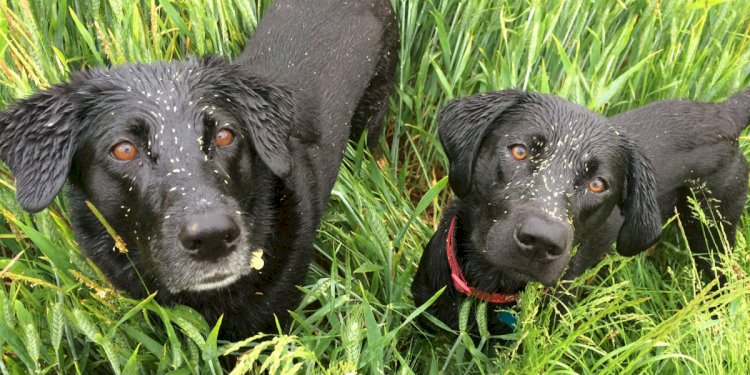
Summer is a delightful time for walks and outdoor adventures with your dog, especially in suburban areas like Keysborough, where green spaces and parks abound. However, along with the sunshine and fresh air comes a hidden hazard that many pet owners overlook: grass seeds. These tiny plant fragments may seem harmless, but they can pose significant health risks to dogs, especially during the warmer months.
How Grass Seeds Affect Dogs
Grass seeds, particularly the needle-like varieties, are sharp and pointed. Their structure allows them to attach easily to a dog’s fur and paws. Unfortunately, they can also penetrate the skin, ears, nose, eyes, and even the paw pads. Once embedded, these seeds can migrate deeper into the tissues, causing inflammation, infection, and in severe cases, abscesses.
Common areas affected include:
- Paws: Grass seeds can get stuck between toes or under nails, leading to swelling, redness, and limping.
- Ears: Dogs with floppy ears are particularly at risk. Seeds entering the ear canal can cause irritation, ear infections, and chronic discomfort.
- Eyes: Seeds that enter the eye can scratch the cornea, leading to redness, excessive tearing, and pain.
- Nose and throat: Inhaling seeds can result in sneezing, nasal discharge, or even deeper respiratory issues.
Signs Your Dog May Be Affected
Detecting a grass seed problem early is crucial. Signs to watch for include:
- Frequent licking or chewing of paws
- Repeated scratching at the ears or face
- Sneezing, coughing, or nasal discharge
- Sudden limping or reluctance to walk
- Red or irritated eyes
Ignoring these symptoms can lead to worsening infections, which may require more advanced treatments, including X-ray treatment in severe cases. X-rays can help veterinarians locate seeds that have migrated into tissues or internal areas, ensuring proper removal and minimizing complications.
Prevention Tips for Keysborough Dog Owners
While grass seeds are a natural part of the Australian summer landscape, there are ways to reduce the risk:
- Avoid high-risk areas: Steer clear of tall grasses or paddocks where seeds are prevalent.
- Check your dog regularly: After walks, inspect paws, fur, ears, and eyes for seeds.
- Grooming: Regular brushing can remove seeds before they penetrate the skin.
- Protective gear: Booties or lightweight vests can help prevent seeds from embedding in fur.
- Immediate action: If you notice a seed embedded in your dog’s skin, do not attempt to remove it yourself. Seek veterinary care promptly to avoid infection.
Veterinary Care and General Pathology
If a grass seed causes an infection, a veterinarian will often conduct a full examination, which may include General Pathology tests to assess for infection or inflammation. In some cases, imaging like X-rays or ultrasound is necessary to determine the seed’s exact location. Treatment usually involves careful removal of the seed, antibiotics to prevent or treat infection, and pain management to ensure your dog recovers fully.
Conclusion
Grass seeds are a common yet serious summer hazard for dogs in Keysborough. Awareness, prevention, and timely veterinary care are key to keeping your dog safe and healthy. By inspecting your dog regularly, avoiding high-risk areas, and seeking professional care when needed, you can enjoy worry-free summer adventures with your furry companion.
Taking these precautions ensures that a walk in the park remains a fun and safe activity rather than a trip to the vet. Summer is for fun but only if you keep an eye out for hidden dangers like grass seeds.
For more Info you can read blog: https://keysivet.com.au/grass-seeds-in-dogs-keysborough-summer-hazard/
What's Your Reaction?