Can You Brush Your Teeth After a Tooth Extraction?
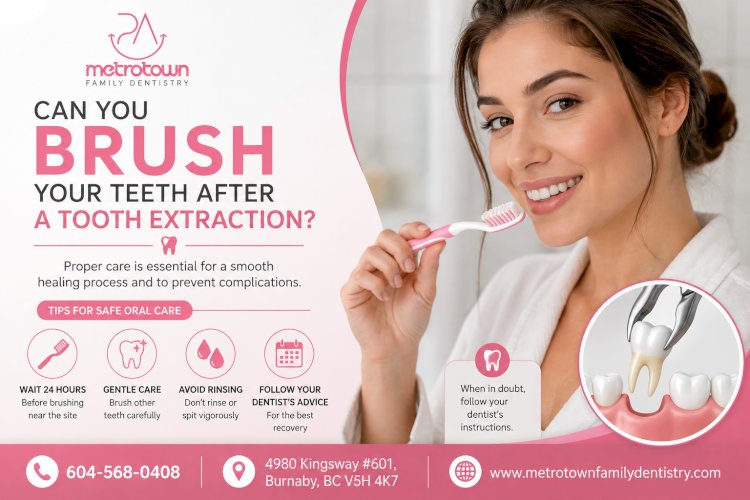
After a tooth extraction, it is normal to have questions about brushing, eating, rinsing, and keeping your mouth clean. One of the most common concerns is whether brushing too soon could disturb the healing area. If you have recently had an extraction, following the right oral care routine can help protect the extraction site and support comfortable healing. A dentist in Burnaby can also provide personalized aftercare instructions based on the type of extraction you had and your overall oral health.
In general, you should continue brushing your teeth after an extraction, but you need to be careful around the extraction site. The goal is to keep the rest of your mouth clean without disturbing the blood clot that forms where the tooth was removed.
When Can You Brush Your Teeth After a Tooth Extraction?
You can usually brush your teeth on the day of a tooth extraction, but you should avoid brushing directly over the extraction site. For the first 24 hours, gentle care is especially important because the blood clot is still becoming established. The blood clot acts as a natural protective covering over the area where your tooth was removed. It supports the healing process and helps protect the underlying bone and tissues. If the clot becomes dislodged, healing may be delayed, and a painful condition called dry socket can develop.
For this reason, brush the teeth away from the extraction site carefully and avoid touching the area with your toothbrush.
How Should You Brush After an Extraction?
Good oral hygiene remains important after tooth extraction in Burnaby, but your normal brushing routine may need a few temporary changes.
Use a Soft-Bristled Toothbrush
A soft-bristled toothbrush is less likely to irritate sensitive gum tissue. Brush gently rather than applying pressure, particularly near the teeth surrounding the extraction area.
Avoid the Extraction Site
Do not brush directly over the socket during the early healing period unless your dental professional specifically tells you otherwise. You can clean nearby teeth while keeping the toothbrush away from the surgical area.
Do Not Spit Forcefully
After brushing, avoid forceful spitting. Strong pressure in the mouth may interfere with the blood clot. Instead, allow toothpaste and saliva to leave your mouth gently.
What Should You Avoid During the First 24 Hours?
The first day after an extraction is an important period for protecting the blood clot. Along with careful brushing, avoid activities that create strong pressure or irritation inside the mouth.
- Do not rinse your mouth vigorously.
- Avoid smoking or vaping.
- Do not drink through a straw.
- Avoid touching the extraction site with your fingers or tongue.
- Do not eat very hard, crunchy, or extremely hot foods.
- Avoid strenuous physical activity if your dentist has advised you to rest.
These precautions can reduce the chance of disturbing the healing area and may make your recovery more comfortable.
When Can You Rinse Your Mouth?
Vigorous rinsing should generally be avoided during the first 24 hours. After this period, your dental professional may recommend gently rinsing with warm salt water to help keep the area clean.
When rinsing, do not swish aggressively. Let the solution move gently around your mouth and then allow it to drain without forceful spitting. If your dentist provides a specific mouth rinse or instructions, follow those directions instead.
Can You Brush the Extraction Area Later?
As healing progresses, you can gradually return to your normal brushing routine. However, the timing can vary depending on the location of the tooth, the complexity of the extraction, and how your gums are healing.
Do not assume that the area is fully healed simply because discomfort has decreased. Continue following the aftercare instructions provided by your dental professional. If you are unsure when it is safe to brush directly around the socket, asking a dentist near you can help you avoid accidentally irritating the healing tissue.
What Should You Eat After a Tooth Extraction?
Choosing softer foods can make eating easier while your mouth heals. You may find foods such as yogurt, mashed potatoes, scrambled eggs, smoothies eaten without a straw, oatmeal, and soft pasta more comfortable during the early recovery period.
As your mouth becomes more comfortable, you can gradually return to your regular diet. Try to chew on the opposite side of the extraction when possible, especially during the first few days.
Take Care of Your Mouth While It Heals
Brushing your teeth after an extraction is important, but gentle technique matters. Keep the surrounding teeth clean, protect the extraction site, avoid forceful rinsing, and follow the aftercare instructions you were given. If you have questions about your recovery or are experiencing unusual symptoms, Metrotown Family Dentistry can assess your concerns and provide personalized guidance. Request an Appointment if you would like professional advice about healing after an extraction or your ongoing oral health.
What Signs Should You Watch For?
Some soreness, mild swelling, and a small amount of bleeding can occur after an extraction. These symptoms should generally improve as healing continues.
Contact your dental office if you experience symptoms that concern you, particularly severe or worsening pain, persistent bleeding, significant swelling, fever, an unpleasant taste or odor, or difficulty swallowing or breathing. Severe pain that develops or becomes worse several days after an extraction may require professional assessment. Prompt attention can help identify whether there is a complication and determine the appropriate treatment.
Frequently Asked Questions
Can I brush my teeth on the same day as an extraction?
Yes, you can generally brush the teeth away from the extraction site on the same day. Use a soft toothbrush and gentle movements. Avoid brushing directly over the socket and do not rinse or spit forcefully. Your dental professional may provide different instructions depending on the procedure.
How long should I avoid brushing the extraction site?
The extraction site should be treated carefully during the early healing period. In many cases, direct brushing over the socket is avoided initially and resumed gradually as the area heals. Follow the specific instructions provided after your procedure because healing time can vary between patients.
Can brushing cause dry socket?
Brushing itself does not normally cause dry socket when performed carefully. However, brushing directly over the extraction area or creating strong pressure through vigorous rinsing or spitting may disturb the blood clot. Gentle brushing away from the socket helps reduce unnecessary irritation during early healing.
Can I use toothpaste after a tooth extraction?
In most cases, you can continue using your regular toothpaste while brushing the teeth away from the extraction site. The important point is to avoid aggressive brushing, rinsing, or spitting. If your dental professional recommends a particular toothpaste or mouth rinse, use it according to their instructions.
When can I use salt water after an extraction?
Warm salt-water rinsing is commonly recommended after the first 24 hours, but you should rinse gently rather than swishing forcefully. Salt water may help keep the mouth clean while the area heals. Always follow the aftercare instructions provided by your dental professional.
What happens if I accidentally brush the extraction site?
If you accidentally touch the area with your toothbrush, do not panic. Stop brushing that spot and avoid further irritation. Monitor the area for increased bleeding or pain. If you are concerned that the blood clot may have been disturbed or symptoms become worse, contact your dental office for guidance.
What's Your Reaction?