Is Sclerosis the Same as Osteoarthritis? Here’s What You Need to Know
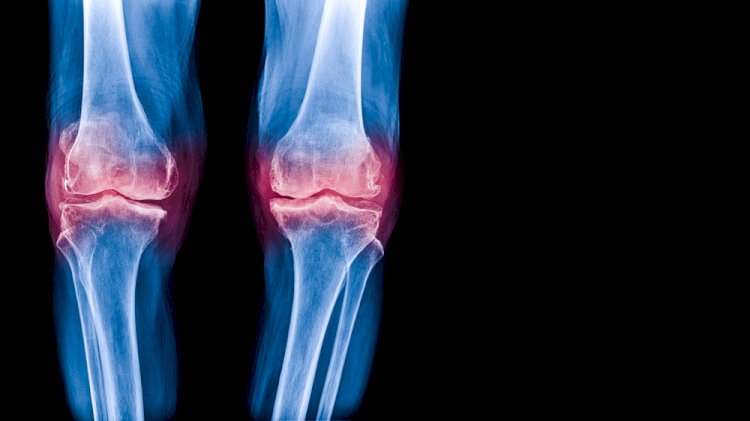
Ever left a doctor’s office feeling puzzled after hearing terms like “sclerosis” and “osteoarthritis” tossed around? If you’re trying to make sense of joint pain, these words can sound confusing, sometimes even used together, which only adds to the mix-up. So, let’s clear things up right away: sclerosis and osteoarthritis are not the same thing, although they’re often linked in joint health discussions.
In this blog, we’ll walk you through the key differences, what each term means, how they show up in your body, and what you can do about them. By the end, you’ll feel more confident about understanding your joint health and what steps to take next.
What Is Sclerosis?
Let’s start with the basics. Sclerosis, when we’re talking about joints, simply means a hardening or thickening of tissue. In the case of joints, you might hear about “subchondral sclerosis.” That’s just a fancy way of saying the bone right under the cartilage becomes denser and harder than normal.
How does this happen? Well, it’s usually your body’s response to stress or damage in the joint. For example, if the cartilage that cushions your joint starts to wear down, your body might try to compensate by toughening up the bone underneath. This hardening is what doctors call sclerosis.
You’ll most often see sclerosis show up in weight-bearing joints, like hips and knees. It’s not a disease by itself, but more like a sign that something’s going on in the joint. Recognizing sclerosis is important because it can point to underlying joint problems that might need attention.
What Is Osteoarthritis?
Now, let’s talk about osteoarthritis, the word you’ve probably heard a lot if you deal with joint pain. Osteoarthritis is a chronic condition where the protective cartilage that cushions the ends of your bones gradually wears away. Without that cushion, bones start to rub against each other, leading to pain, swelling, and stiffness.
Osteoarthritis can make daily activities, like walking, climbing stairs, or even opening jars, feel like a challenge. It usually develops slowly over time and is most common in older adults, but younger people can get it too, especially after joint injuries.
Here’s something interesting: sclerosis can be one of the changes seen in joints affected by osteoarthritis. In other words, if you have osteoarthritis, you might also have areas of sclerosis in your joints. But remember, having sclerosis doesn’t always mean you have osteoarthritis.
Are Sclerosis and Osteoarthritis Just Different Names for the Same Thing?
It’s easy to mix up these terms, but they aren’t the same. Sclerosis is a hardening or thickening of bone that doctors often spot on an X-ray, and it usually doesn’t cause symptoms on its own. Osteoarthritis is a joint disease where cartilage breaks down, leading to pain and stiffness. While sclerosis can be a sign that osteoarthritis is present, it isn’t the disease itself. Knowing the difference can help you better understand your diagnosis and what steps to take next.
How Are Sclerosis and Osteoarthritis Diagnosed?
You might be wondering, “How do doctors tell the difference?” Diagnosis usually starts with a conversation about your symptoms and a physical exam. If you’re having joint pain, your doctor may order X-rays or MRI scans.
- For sclerosis, Doctors look for areas where the bone appears denser or whiter than normal on X-rays. This is often seen under the cartilage in joints.
- For osteoarthritis, X-rays might show joint space narrowing, bone spurs, and sometimes sclerosis as well. Doctors also consider your symptoms, like pain, stiffness, and swelling.
Getting the right diagnosis is important because it guides your treatment plan. If you’re not sure what your doctor means by these terms, don’t hesitate to ask for clarification. It’s your health, after all!
Symptoms to Watch For: Do They Overlap?
Let’s face it, joint pain can be tricky to pin down. Here’s a quick look at what you might notice:
Common symptoms in both:
- Joint stiffness, especially after rest
- Reduced range of motion
Symptoms are more typical of osteoarthritis:
- Persistent or worsening joint pain
- Swelling or tenderness around the joint
- A grating or crackling feeling when moving
Sclerosis by itself:
Often, sclerosis doesn’t cause symptoms you can feel. It’s usually something your doctor spots on an X-ray. However, if it’s severe, it might contribute to joint stiffness or discomfort.
If you notice any of these symptoms, especially if they’re getting worse or interfering with daily life, it’s a good idea to check in with your healthcare provider.
Treatment Options: What Can You Do?
If you’re dealing with joint changes, you probably want to know what your options are. The good news is, there are plenty of ways to manage symptoms and protect your joints.
For sclerosis:
Since sclerosis is usually a sign of another problem (like osteoarthritis), treatment focuses on the underlying cause. There’s no specific medication just for sclerosis.
For osteoarthritis:
- Exercise: Gentle movement helps keep joints flexible and muscles strong.
- Weight management: Extra pounds put more stress on your joints.
- Pain relief: Over-the-counter pain relievers, topical creams, or prescribed medications.
- Physical therapy: Can improve mobility and teach you ways to protect your joints.
- Assistive devices: Braces, canes, or shoe inserts can make walking easier.
- Surgery: In severe cases, joint replacement might be considered.
Early intervention and a personalized plan can make a big difference. Don’t wait until pain becomes unbearable—small changes now can help you stay active and independent.
Living with Joint Changes: Real-Life Tips
Let’s be honest, living with joint pain isn’t easy. But there are practical steps you can take to make daily life a little smoother:
- Stay active: Even a short walk each day can help you stay active.
- Listen to your body: Rest when you need to, but try not to become too inactive.
- Use heat or cold packs: These can ease pain and reduce swelling.
- Choose supportive shoes: Good footwear can take pressure off your joints.
- Reach out for support: Talking to friends, family, or a support group can make tough days easier.
Remember, you’re not alone in this. Many people manage joint changes successfully with a few adjustments and the right support.
When Should You Talk to a Doctor?
Sometimes, it’s tempting to tough it out, but certain signs mean it’s time to get help:
- Severe or sudden joint pain
- Swelling that doesn’t go away
- Difficulty moving the joint
- Joint deformity or instability
If you notice any of these, or if you’re just not sure what’s going on, reach out to your healthcare provider. Getting answers early can prevent bigger problems down the road.
What’s Next for Your Joint Health?
Let’s quickly recap the key points:
- Sclerosis and osteoarthritis are related, but not the same; one is a sign, the other is a disease.
- Osteoarthritis causes joint pain and damage; sclerosis is often seen on X-rays as a result.
- Early diagnosis and treatment can help you stay active and comfortable.
- Don’t ignore persistent joint symptoms; help is available.
Ready to take the next step? Here’s what you can do today: talk to your doctor if you’re experiencing joint pain, and if you’re interested in new treatment options, you might even consider opportunities to participate in knee OA clinical research. Your joint health matters, and there are real solutions out there.
What's Your Reaction?